American hardwoods have entered their fourth century of providing beauty and authenticity, warmth and integrity, lasting aesthetic and functional value to interiors. For floors, furniture, moulding, millwork and cabinetry, they are quintessentially green materials in abundant and self-renewing supply.

Quartersawn
VS
Rift
Today’s discerning designers and craftsmen are expressing a growing preference for the uniquely aesthetic and structural attributes of quartersawn lumber in their exceptional architectural projects. Increasingly, they have selected Frank Miller Lumber and our quartersawn hardwoods for beautiful flooring, architectural millwork, cabinetry and furniture.
The Frank Miller Lumber Quartersawing Process
By loading this video, you agree to the privacy policy of Youtube.
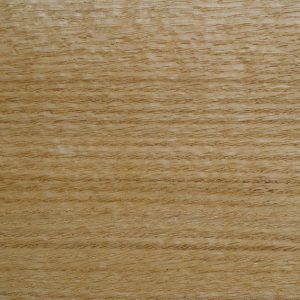
Quartered boards exhibit the most pronounced figure, generally having growth rings at a 60-90 degree angle to the face of the board.
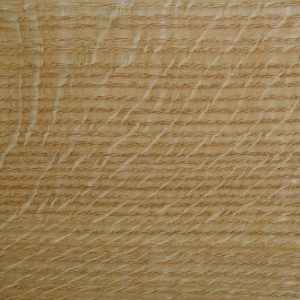

Rift boards exhibit a straight-grained and less-figured appearance, with growth rings at a 30-60 degree angle to the face of the board.

MEDULLARY RAYS
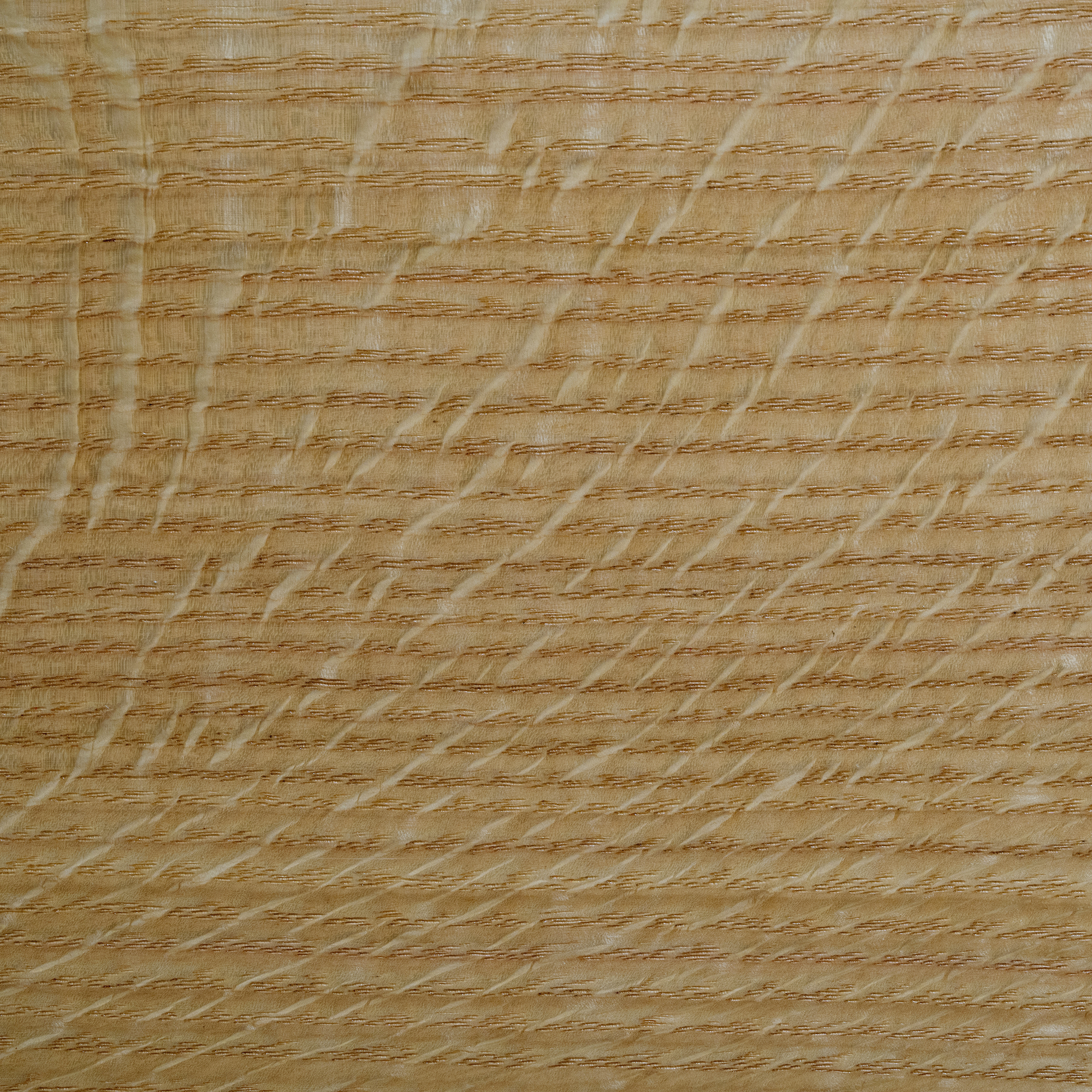
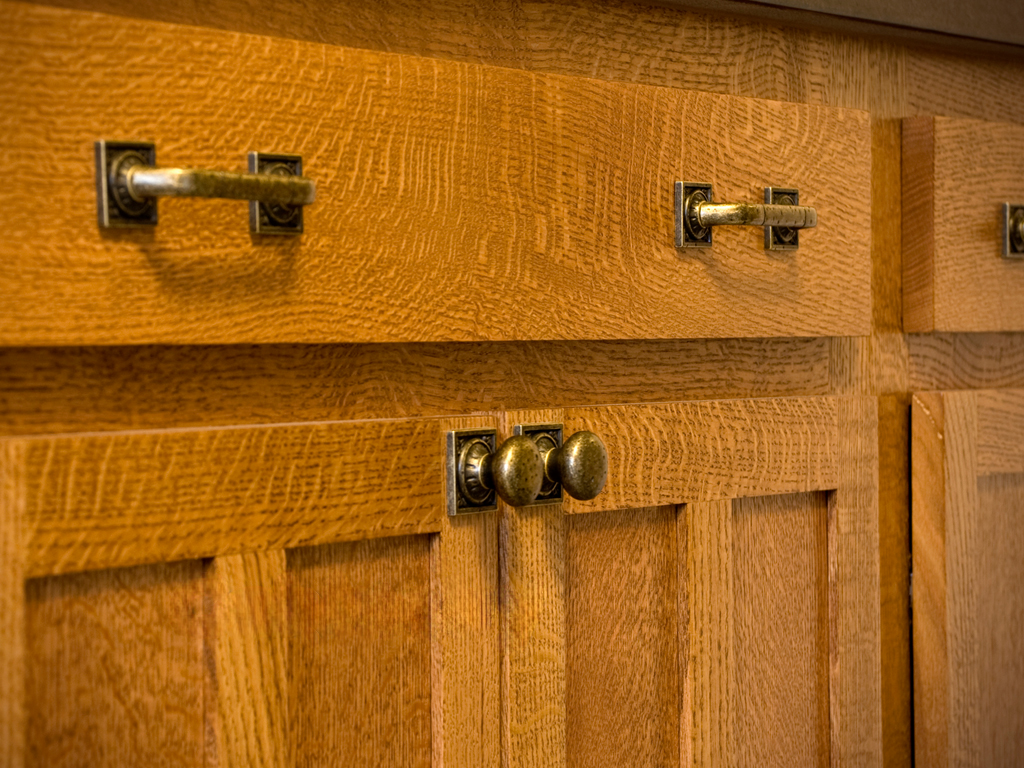
The quartersawing process reveals the beautiful and uniquely distinctive appearance of these rays, which is referred to as “figure.” In quartersawn white and red oak, the medullary rays literally jump off the face of the board when stained and finished. It is this figure that makes quartersawn lumber the preferred choice for architectural and design projects of distinction.
Straight Grain
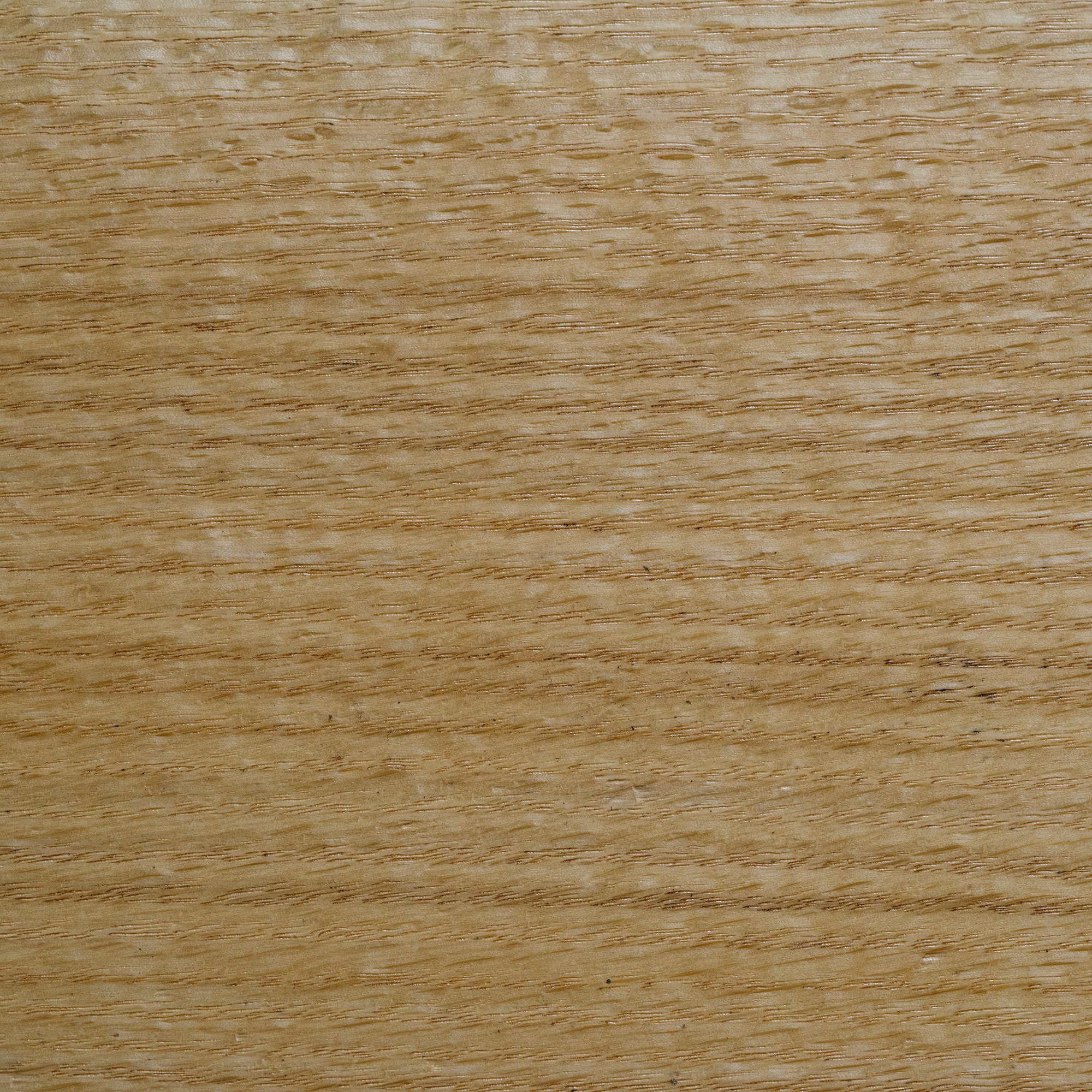
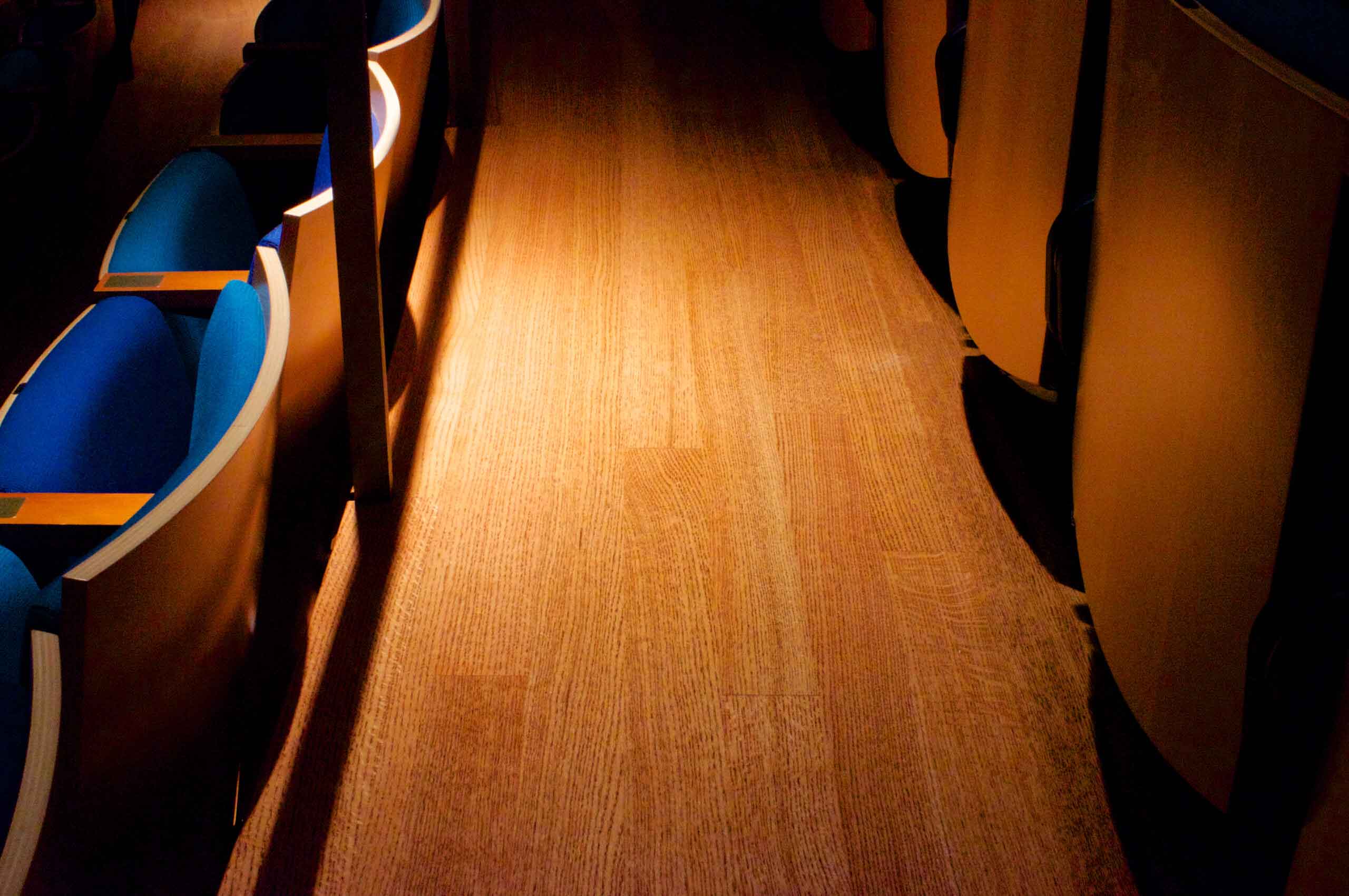
All quartersawn boards share one common characteristic: the growth rings manifest themselves on the face of the board as straight grain. The principal benefit of our quartersawing technique is that all of the grain will be straight, showing none of the “cathedral grain” traits of plainsawing. This straight grain also permits edge gluing for width, while maintaining a consistent appearance across the face of the board.
Quartersawn Lumber VS Plainsawn Lumber
Plainsawn hardwood boards are produced by cutting tangentially to a tree’s growth rings, creating the familiar “flame-shaped” or “cathedral” pattern. This method produces the most lumber from each log, making plainsawn lumber a cost-effective design choice. Quartersawn lumber has the growth rings of the tree approximately perpendicular to the board’s broad face. In contrast, plainsawn lumber has the growth rings parallel to the board’s broad face.
Quartersawn lumber is the uncontested winner when compared to plain (or flat) sawn lumber.
Quartersawn hardwood features include:
– Reduces shrinking and swelling in lumber width
– Reduces twisting, warping and cupping
– Less prone to surface checking
– Wears more evenly in flooring applications
– Smooth surface, as raised grain is not pronounced
Quartersawing:

Plainsawing:

The Stability of Hardwoods
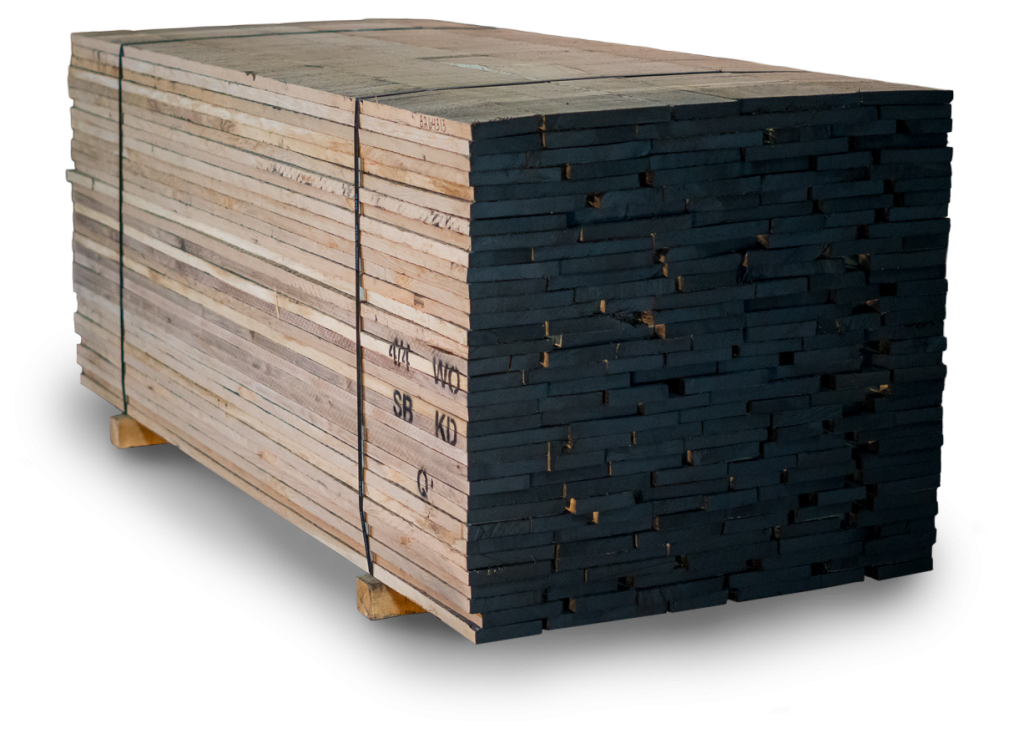
All hardwood boards absorb and shed water to some degree, even when finished.
Quartersawn hardwoods primarily shrink and swell in thickness only, allowing it to stay flat and stable. This makes quartersawn hardwoods the perfect choice for cabinetry, flooring, furniture and millwork.
Quartersawn Board

Plainsawn Board

Benefits of Quartersawn
Beauty
Quartersawn hardwood — white and red oak, cherry, and hard maple — is beautiful. It is characterized by a distinctive, straight-grain appearance along with the warm and appealing patterns of medullary ray.
Medullary rays are the channels in every tree through which moisture and nutrients travel outward to feed the tree as it grows. In quartersawing the medullary rays run along the face of the board, perpendicular to the growth rings. In some species, these medullary rays are almost microscopic in size, while they are very pronounced in red and white oak. When stained, the medullary ray “figure” lifts it off the softly radiant face of the board.
For the architect and designer, this results in distinctively beautiful, straight grain hardwood lumber of unsurpassed quality.
Strength
Quartersawn red and white oaks are chosen for their useful characteristics for their elegant appearance.
All hardwood will absorb and shed moisture, depending on its environment, over the entirety of its service life. This natural process can result in wood movement. The quartersawing process itself makes the lumber more stable. Unlike plainsawn hardwood, quartersawn hardwood tends to expand and contract in thickness, not width, because of its straight grain. Additionally, warping, twisting and cupping are virtually eliminated, thereby enhancing stability.
This makes straight grain quartersawn hardwood a perfect material choice for flooring (even over radiant heat), entry and interior door construction, cabinetry, millwork and built-ins.
Durabiltiy
Quartersawn white and red oak score high on the Janka Hardness Scale, which measures the ability of a wood species to withstand denting and wear. Thus, users and specifiers can be assured of the lumber’s durability for a long service life as flooring.
The Janka Scale measures the force required to embed an 11.28 mm (0.444 in) steel ball into wood to half its diameter. This method was chosen so that the result would leave an indentation 100 mm2 (0.16 sq in) in size. It is one of the best measures of the ability of a wood species to withstand denting and wear. It is also a good indicator of how hard a species is to cut or nail.